Bake Radio
Welcome to Bake Radio, a website that focuses on the whole work from home ethos of making money from the Internet on a computing device in a home office space at your own leisure.
It looks at the world wide web and what's on it from a marketing and commerce viewpoint and how we can help you, the work at home entrepreneur and home shopper alike to find what you're really looking for.
There are a number of separate categories related to working at home and the home working environment itself all housed here under one roof, so to speak.
Each is related to helping you find the right products, services or information for research depending on what it is that you're searching for, from working from home online to maintaining the home and garden that forms the core of your working as well as living space.
The website has undergone a major overhaul to take it away from the old "blog" structure and onto a more resilient, adaptive static structure that is easier to navigate and its pages are faster to load for your convenience.
Work From Home
The main focus of this website is working from home and all the things that contribute to it. 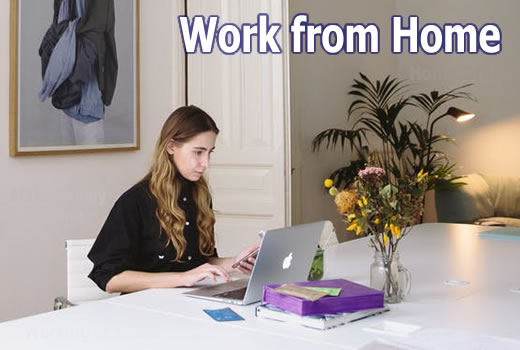 That includes maintaining the home and home office thereby creating and sustaining a viable working environment along with a pleasant, well maintained and comfortable home that houses it.
When you work at home, it's important to have a dedicated room in the house to serve as a completely separate office space from to work in and have privacy and to minimize family interruptions that can happen as a natural part of family life when you're at home.
How to Spend Money Online
One of the largest aspects of the Internet today is the commerce side of things. That's where people are able to buy just about anything they want (or can afford) from a huge variety of online stores that range from specialist craft shops to huge multi-store hypermarkets such as Amazon, Wal-Mart, Costco etc.
Often, the choice is so expansive that it can get confusing when trying to find the best deal on a certain item that you want. Well, I can help you there.
The simplest answer is the best and I can recommend some of the best stores with the best deals for a variety of items. That makes certain parts of this site a kind of go to store finder to help you by pre-reviewing products and recommending the best places to get them.
How to Make Money Online
On the flip side of the coin, there are a number of people that are very interested in how they can make some money online from a variety of sources.  The only stumbling block for many is knowing which are the best methods to use and which are the products or methods to avoid.
There are plenty of established marketers around that create products to help newcomers to make their first dollars online. Many are honest marketers and have genuine ″how to″ products that really can help you get started.
There are also plenty of dishonest marketers that are only present to try and get you to spend money on their own products. These products are often neither helpful or of much use when you are first starting out to make some cash from the Internet.
Lucky for you that I'm here to steer you to the right choices and avoid the wrong ones.
I've been a successful affiliate marketer online for over 12 years now. I've found my fair share of dud packages and spent money on enough rubbish to have gained plenty of experience in knowing what's good and what's not.
The Home Office Environment
It's becoming more and more common to find people working out of their own office space in a room in their home to earn a full-time income.
It's here that all the thinking, planning, creating and physical action takes place, usually with a computing device at the core of it all. The rest comes from overcoming the learning curve associated with figuring out how to make money from a variety of methods available to you.
So take a look around the site and see what I have put together for you as an overall guide to setting up a comfortable and motivational work space and using it to generate the kind of income you believe you deserve to have!


